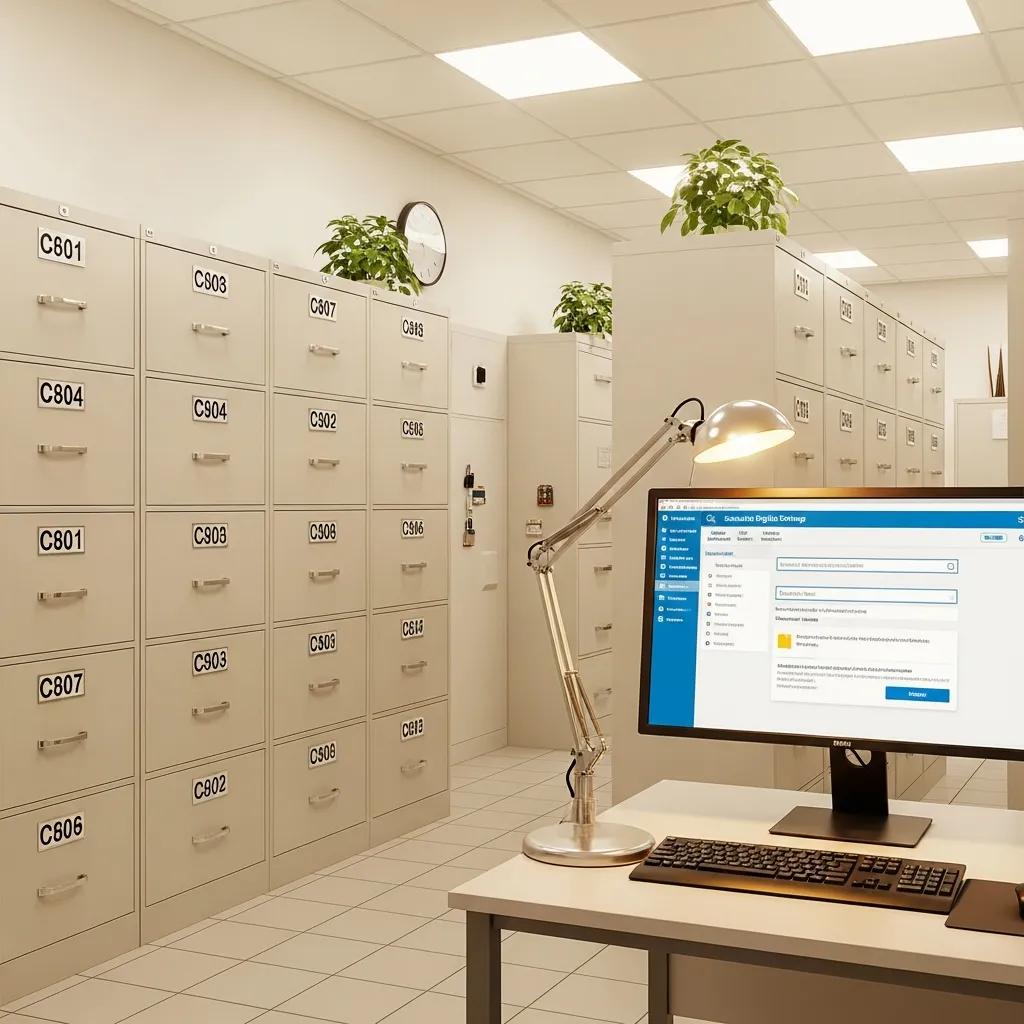


Transform Your Practice with Secure Medical Document Storage
What Are the Benefits of Secure Medical Document Storage?

In the healthcare sector, the secure storage of medical documents is paramount for maintaining patient confidentiality and ensuring compliance with regulations. This article delves into the numerous benefits of secure medical document storage, particularly focusing on how it enhances patient data protection and supports healthcare providers in meeting legal requirements. As healthcare organizations face increasing scrutiny regarding data breaches and patient privacy, understanding the advantages of secure storage solutions becomes essential. This guide will explore the role of HIPAA compliance, the legal requirements for document storage, and the security features that ensure confidentiality. Additionally, we will discuss the benefits of both physical and digital storage methods, and how these solutions can specifically benefit dental practices and patients in Tempe, AZ.
How Does HIPAA Compliance Enhance Secure Medical Document Storage?
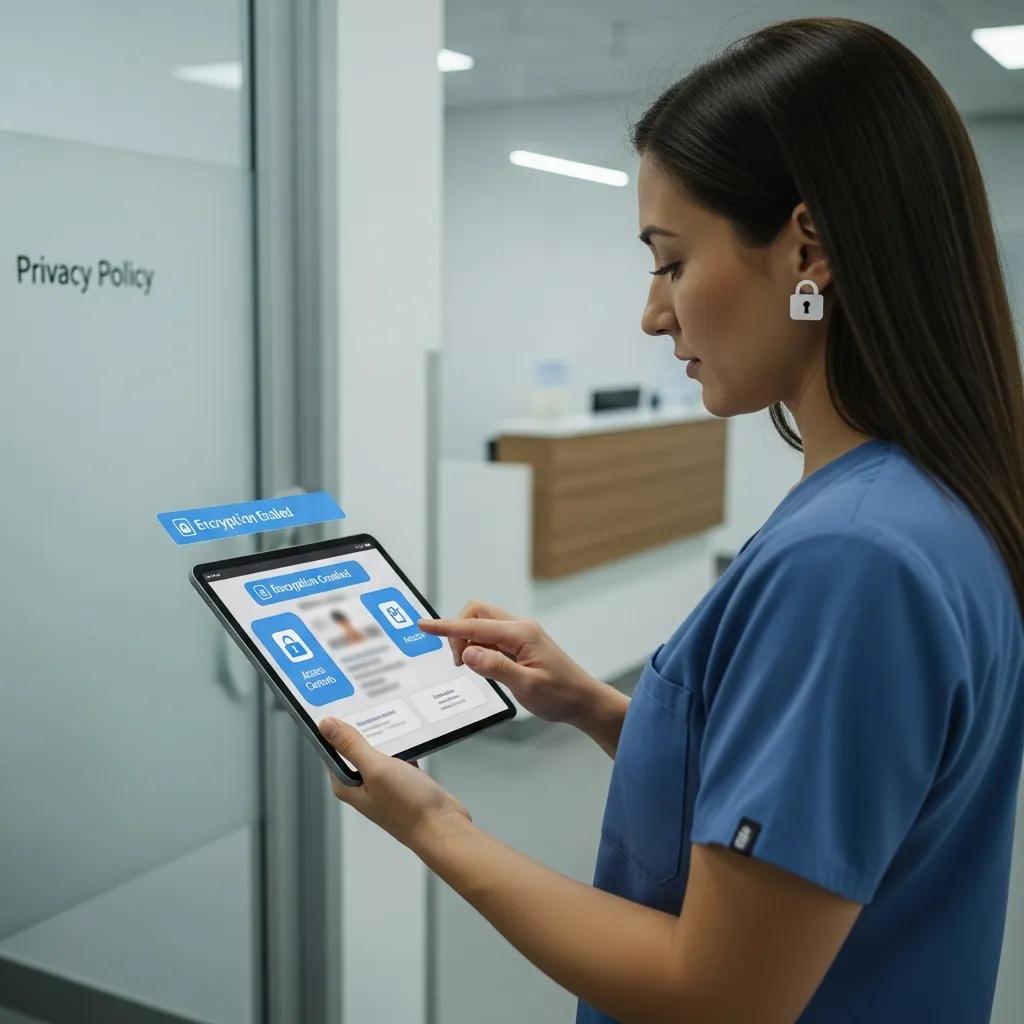
HIPAA compliance is crucial for secure medical document storage as it establishes a framework for protecting sensitive patient information. By adhering to HIPAA regulations, healthcare providers implement necessary security measures that safeguard patient data from unauthorized access and breaches. This compliance not only enhances the security of medical documents but also fosters trust between patients and healthcare providers. The implementation of HIPAA-compliant storage solutions ensures that organizations are equipped to handle sensitive information responsibly, thereby reducing the risk of data breaches and legal repercussions.
Further emphasizing the importance of regulatory adherence, research highlights specific HIPAA security standards that mandate robust protection against unauthorized access and disclosure.
HIPAA Security Standards: Access Control & Audit Trails
The Health Insurance Portability and Accountability Act (HIPAA, instituted April 2003) Security Standards mandate health institutions to protect health information against unauthorized use or disclosure. One approach to addressing this mandate is by utilizing user access control and generating audit trails of the various authorized as well as unauthorized user access of health data.
A HIPAA-compliant architecture for securing clinical images, 2006
What Are the Legal Requirements for HIPAA Compliant Document Storage?
Healthcare organizations must adhere to specific legal requirements for HIPAA-compliant document storage to ensure the protection of patient information. These requirements include:
- Secure Storage Requirements: Medical documents must be stored in a manner that prevents unauthorized access, including physical security measures for paper records and robust cybersecurity protocols for digital files.
- Climate Control Standards: Physical storage facilities must maintain appropriate climate conditions to prevent damage to documents, ensuring their longevity and integrity.
- Retention Periods for Records: Healthcare providers must follow established retention periods for medical records, ensuring that documents are kept for the required duration before secure disposal.
These legal requirements are essential for maintaining compliance and protecting patient data.
How Does Compliance Protect Patient Data Privacy and Security?
Compliance with regulations such as HIPAA plays a vital role in protecting patient data privacy and security. By implementing measures such as tamper-proof seals and access control systems, healthcare organizations can significantly reduce the risk of unauthorized access to sensitive information. Additionally, digital cataloging benefits streamline the management of medical records, allowing for efficient retrieval while maintaining strict security protocols. This comprehensive approach to compliance not only safeguards patient data but also enhances the overall trust in healthcare systems.
What Security Features Ensure Confidential Document Storage in Healthcare?
Several security features are essential for ensuring the confidential storage of medical documents in healthcare settings. These features include:
- Climate-Controlled Storage: Maintaining optimal environmental conditions prevents physical deterioration of paper records.
- Digital Cataloging: This system allows for organized storage and quick retrieval of documents while ensuring that access is restricted to authorized personnel only.
- 24/7 Monitoring: Continuous surveillance of storage facilities helps detect and respond to potential security breaches in real-time.
Implementing these security features is critical for protecting sensitive patient information and ensuring compliance with legal standards.
How Do Encryption and Access Controls Safeguard Medical Records?
Encryption and access controls are fundamental components of safeguarding medical records. Encryption transforms sensitive data into a secure format that can only be accessed by authorized users, thereby protecting it from unauthorized access. Access control mechanisms further enhance security by ensuring that only individuals with the appropriate permissions can view or modify medical records. This dual-layered approach not only protects patient data but also complies with HIPAA regulations, reinforcing the integrity of healthcare organizations.
What Technologies Support Digital Medical Document Management?
Advancements in technology have significantly improved digital medical document management. Key technologies include:
- QR Code Technology: This allows for quick scanning and retrieval of medical documents, enhancing efficiency in healthcare settings.
- Digital Cataloging Systems: These systems organize and store medical records electronically, making them easily accessible while maintaining security.
- Secure Online Portals: These portals provide a safe platform for patients and healthcare providers to access and share medical information securely.
These technologies streamline the management of medical documents, ensuring that patient data is both accessible and secure.
What Are the Advantages of Physical Versus Digital Medical Document Storage?
When considering medical document storage, both physical and digital methods offer distinct advantages:
- Regulatory Compliance: Physical storage can meet specific regulatory requirements, particularly for certain types of records that must be maintained in hard copy.
- Protection from Digital Risks: Physical documents are immune to cyber threats, providing a secure backup option in case of digital data breaches.
- Immediate Access Benefits: Physical storage allows for quick access to documents without the need for electronic devices or internet connectivity.
Understanding these advantages helps healthcare providers choose the most suitable storage method for their needs.
How Does Physical Storage Provide Secure Backup for Medical Records?
Physical storage serves as a secure backup for medical records by ensuring that documents are preserved in a controlled environment. HIPAA compliance mandates that physical storage facilities maintain climate-controlled environments to protect records from damage. Additionally, organized retrieval systems facilitate quick access to documents when needed, ensuring that patient information is readily available while remaining secure. This dual approach of physical and digital storage enhances the overall security of medical records.
What Benefits Does Digital Storage Offer for Accessibility and Efficiency?

Digital storage offers numerous benefits that enhance accessibility and efficiency in managing medical records. Key advantages include:
- Full Inventory Catalog: Digital systems allow for comprehensive tracking of all medical documents, making it easier to manage records.
- Convenient Access: Authorized personnel can access documents from anywhere, facilitating timely decision-making in patient care.
- Time and Cost Efficiency: Digital storage reduces the need for physical space and resources, leading to lower operational costs.
These benefits make digital storage an attractive option for healthcare organizations looking to improve their document management processes.
How Does Secure Medical Document Storage Benefit Dental Practices and Patients in Tempe AZ?
Secure medical document storage provides significant benefits for dental practices and patients in Tempe, AZ. By protecting sensitive information, dental practices can ensure compliance with regulations while enhancing the security of patient records. This not only safeguards patient data but also builds trust between dental professionals and their patients. Enhanced security features, such as encryption and access controls, further protect sensitive information, ensuring that patient confidentiality is maintained.
The critical need for robust security in dental practices to prevent data breaches and ensure data integrity is further underscored by academic research.
Preventing Data Breaches in Healthcare EMR Systems
This thesis explores empirical evidence from both hospitals lacking significant designs such as odontogram design and lack of proper security for preventing data integrity as well as manipulation. Both aspects are critical for significant risk associated with unauthorized breach possibilities for healthcare as well as significant safety for forensic documentation for health
Promoting Health Security In Hospital Dental Departments: An Evaluation Of Health Informatics Systems, 2025
Why Is Secure Dental Records Storage Critical for Patient Trust?
Secure dental records storage is critical for maintaining patient trust. Patients expect their sensitive information to be protected from unauthorized access and breaches. By implementing robust security measures, dental practices can demonstrate their commitment to safeguarding patient data. This commitment not only enhances patient confidence but also ensures compliance with legal regulations, reinforcing the integrity of the practice.
How Does Localized Storage Improve Emergency Access and Compliance?
Localized storage of medical documents improves emergency access and compliance by ensuring that records are readily available when needed. Quick identification and retrieval of documents during emergencies can significantly impact patient care outcomes. Additionally, localized storage helps dental practices comply with regulations by maintaining secure access to records while ensuring that they are easily accessible in critical situations.
What Are the Emergency Access and Disaster Recovery Benefits of Secure Medical Document Storage?
Secure medical document storage offers essential benefits for emergency access and disaster recovery. Key advantages include:
- Protection from Damage: Secure storage solutions protect documents from physical damage due to disasters such as floods or fires.
- Easy Accessibility: In emergencies, having secure access to medical records can facilitate timely treatment and decision-making.
- Compliance with Regulations: Adhering to secure storage practices ensures that healthcare organizations meet legal requirements for document management.
These benefits highlight the importance of secure storage solutions in maintaining the integrity of patient data during emergencies.
The importance of robust disaster recovery protocols for maintaining data integrity and ensuring continuous patient care is further emphasized by research into hybrid cloud solutions.
Hybrid Cloud for HIPAA Compliance & Healthcare Data Recovery
Disaster recovery is a critical aspect of healthcare information technology, ensuring the continuity of patient care and data integrity in the face of cyber threats, natural disasters, and system failures. The integration of hybrid cloud solutions has emerged as a robust approach to addressing these challenges by combining on-premises infrastructure with the scalability and security of cloud services. Hybrid cloud architectures enable automated backup, real-time data replication, and enhanced cybersecurity measures, reducing downtime and mitigating risks associated with data loss. Moreover, these solutions support regulatory compliance with frameworks such as HIPAA, GDPR, and HITECH, ensuring the protection of sensitive patient information.
Disaster Recovery in Healthcare: The Role of Hybrid Cloud Solutions for Data Continuity, PK Pemmasani, 2020
How Is Emergency Access to Medical Records Managed Securely?
Emergency access to medical records is managed securely through established protocols that prioritize patient confidentiality. HIPAA compliance requires that healthcare organizations implement secure online portals for authorized personnel to access records during emergencies. These portals often include features such as two-factor authentication and encryption to protect sensitive information. By ensuring that emergency access is both secure and efficient, healthcare providers can maintain the integrity of patient data while delivering timely care.
What Disaster Recovery Protocols Protect Patient Data Integrity?
Disaster recovery protocols are essential for protecting patient data integrity in the event of unforeseen circumstances. Key protocols include:
- HIPAA Compliance: Adhering to HIPAA regulations ensures that patient data is managed securely, even during disasters.
- Tamper-Proof Seals: These seals help maintain the integrity of physical records, preventing unauthorized access.
- 24/7 Monitoring: Continuous surveillance of storage facilities allows for immediate response to potential threats, safeguarding patient data.
Implementing these protocols is crucial for ensuring that patient information remains secure and intact during emergencies.
How Does STASH Storage Support Secure Medical Document Storage Solutions?
STASH Storage provides comprehensive support for secure medical document storage solutions. Their offerings include HIPAA-compliant storage options that ensure patient data is protected according to legal standards. Additionally, STASH Storage utilizes climate-controlled environments and secure lockable boxes to safeguard physical records. By prioritizing security and compliance, STASH Storage helps healthcare organizations maintain the integrity of their medical documents.
What Unique Security Protocols Does STASH Storage Implement?
STASH Storage implements several unique security protocols to enhance the protection of medical documents. These protocols include:
- Tamper-Proof Seals: These seals ensure that documents remain secure and unaltered during storage.
- Lockable Boxes: Physical records are stored in secure, lockable boxes to prevent unauthorized access.
- 24/7 Security and Monitoring: Continuous monitoring of storage facilities helps detect and respond to potential security breaches in real-time.
These protocols demonstrate STASH Storage’s commitment to providing secure storage solutions for healthcare organizations.
How Does STASH Storage Ensure HIPAA Compliance and Local Service Excellence?
STASH Storage ensures HIPAA compliance and local service excellence through rigorous adherence to established security standards. Their protocols include tamper-proof seals, QR code technology for efficient tracking, and digital cataloging systems that enhance document management. By focusing on both compliance and service quality, STASH Storage positions itself as a trusted partner for healthcare organizations seeking secure document storage solutions.